


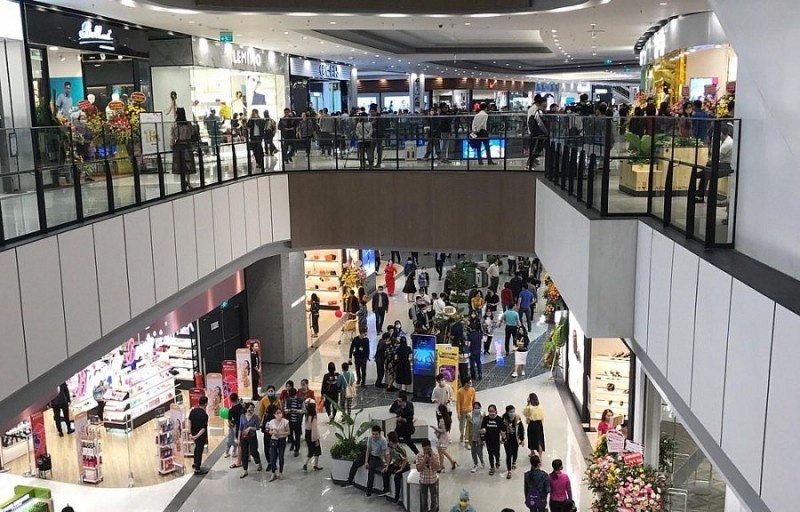
Ho Chi Minh City’s Department of Industry and Trade held a seminar on August 19 to discuss developing outlet centers as a potential new driver of growth for trade, services and tourism.
The event, held for the first time, brought together representatives from the Ministry of Industry and Trade, international consultants, investors and retailers to discuss the development of outlet centers — retail complexes or clusters of stores that sell genuine branded products directly to consumers at prices below their original list prices.
The initiative comes as the city’s retail sales grew 13.5% in the first seven months of 2026, slightly above the national average of 13.4%. While the growth is encouraging, maintaining such momentum through 2031 is expected to become increasingly challenging, prompting the city to seek new growth engines.
The department has studied international experience and consulted experts, advisory firms, regulators, investors and businesses to develop a proposal for expanding the outlet model.
It has proposed prioritizing 10-15-hectare sites at major transport gateways, particularly near Tan Son Nhat International Airport or along routes connecting to Long Thanh International Airport in nearby Dong Nai city.
To ensure quality, outlet products must be owned by brands or legally authorized distributors. Outlet-specific products must be clearly labeled, while original and discounted prices should be displayed, with discounts ranging from 30% to 70%.
Technology-based traceability would also be used to combat counterfeit and mixed-origin goods. The outlet model is also seen as having significant potential to promote Vietnamese-made products.





 Google translate