


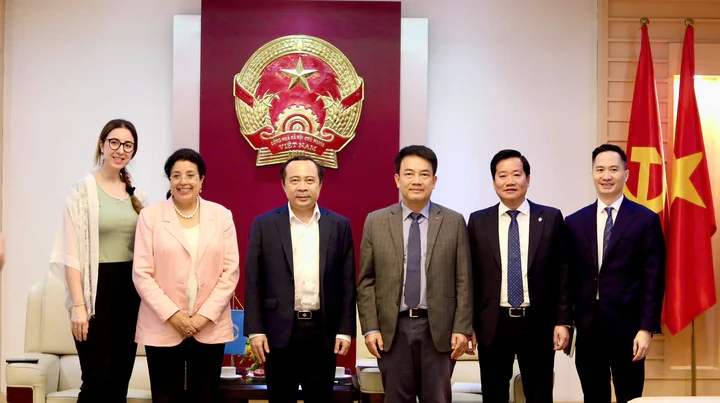
Vietnam prioritizes the development of nuclear science and technology, viewing it as a vital component of the national energy structure.
This was affirmed by the Minister of Science and Technology, Vu Hai Quan, during a working session in Hanoi with Ms. Najat Mokhtar, Deputy Director General of the International Atomic Energy Agency (IAEA), on July 9.
The Minister outlined three core priority directions for the joint action plan between the Ministry of Science and Technology (MST) and the IAEA: Training and developing a leadership team and a successor workforce; Establishing a system of technical standards and regulations for nuclear safety and security; and Promoting research activities to gradually master strategic technologies in the nuclear field.
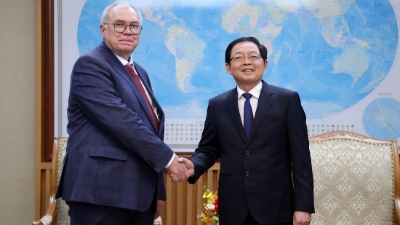
For her part, Ms. Mokhtar described Vietnam as a model member state for its effective cooperation with the IAEA across various sectors, including healthcare, agriculture, environmental monitoring, and radiation safety. The IAEA representative expressed a commitment to accompanying and supporting Vietnam in building professional capacity, building upon the foundation of a sustainable 50-year partnership.
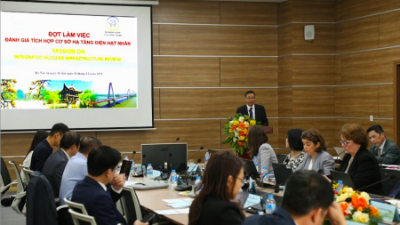
During a separate working session the same day between the Vietnam Agency for Radiation and Nuclear Safety (VARANS) and the IAEA delegation, Mr. Nguyen Hoang Linh, VARANS Director General, expressed his hope that the IAEA would continue to assist Vietnam in accessing international standards, global expertise, and technical support. Key areas include nuclear infrastructure development, human resource training, and enhancing regulatory capacity to ensure nuclear safety and security.
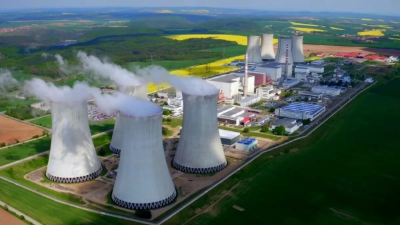
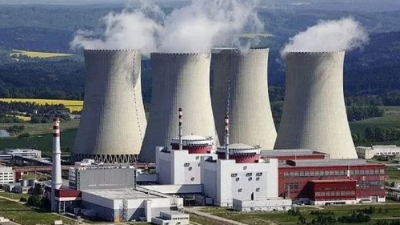
Specifically, VARANS requested IAEA support in developing human resources and training experts and management staff in radiation safety and atomic energy; perfecting legal and regulatory frameworks; strengthening regulatory capacity for nuclear safety, security, and radiation protection; implementing major projects, such as the Ninh Thuan 1 Nuclear Power Plant and the Center for Nuclear Science and Technology (CNST); and developing advanced nuclear techniques in medicine.
Ms. Mokhtar reaffirmed the IAEA's readiness to support Vietnam and VARANS in ensuring safety and security for atomic energy applications for peaceful purposes. Furthermore, she encouraged Vietnam to participate more actively in IAEA flagship initiatives, such as ZODIAC (Zoonotic Disease Integrated Action), NUTEC Plastics, Atoms4Food, and Rays of Hope, as well as technical cooperation programs focusing on future priority areas.

 Google translate