


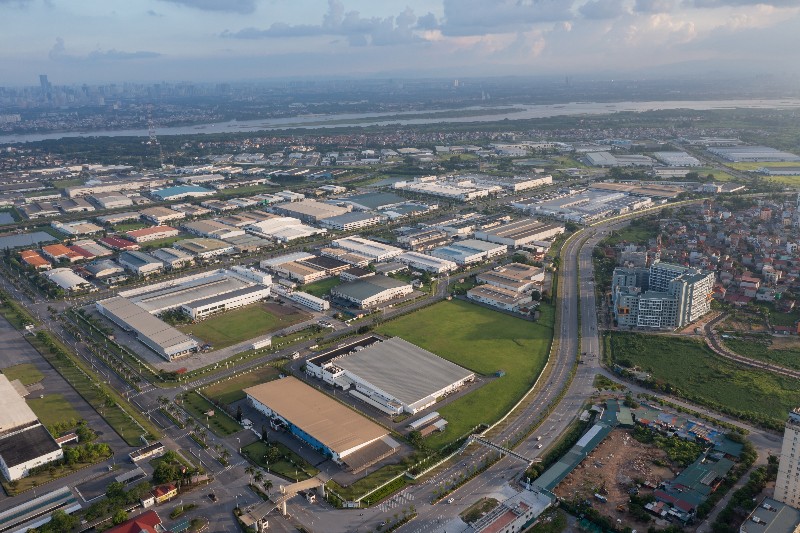
The climate crisis and the energy crisis share a common root cause: our dependence on fossil fuels. Addressing both challenges requires more than reducing emissions.
GREEN INDUSTRY: THE KEY TO VIETNAM'S NEW COMPETITIVENESS
In his special address delivered on June 23 at London Climate Action Week 2026 that took place across London from June 20 - 28, the UN Secretary-General outlined a clear pathway to accelerate the transition to a more secure, resilient, and sustainable energy future. This requires a just transition to cleaner, more resilient energy systems that support economic growth, create opportunities, and leave no one behind.
For Vietnam, this global transition represents far more than an environmental imperative; it marks an industrial turning point. Around the world, the rules of economic competitiveness are being rewritten.
Access to international markets, investment, and global value chains is increasingly shaped by countries' ability to reduce emissions, improve resource efficiency, and build resilient, low-carbon industries.
For an export-oriented economy deeply integrated into new-generation free trade agreements such as the EVFTA, CPTPP, and RCEP, green growth is no longer a parallel agenda to industrial development; it is becoming a prerequisite for sustaining it.
Against this backdrop, the industrial sector emerges as the decisive arena where this transition will be won or lost. It accounts for approximately 50 per cent of Vietnam’s final energy consumption and around 87 per cent of final coal consumption across the economy.
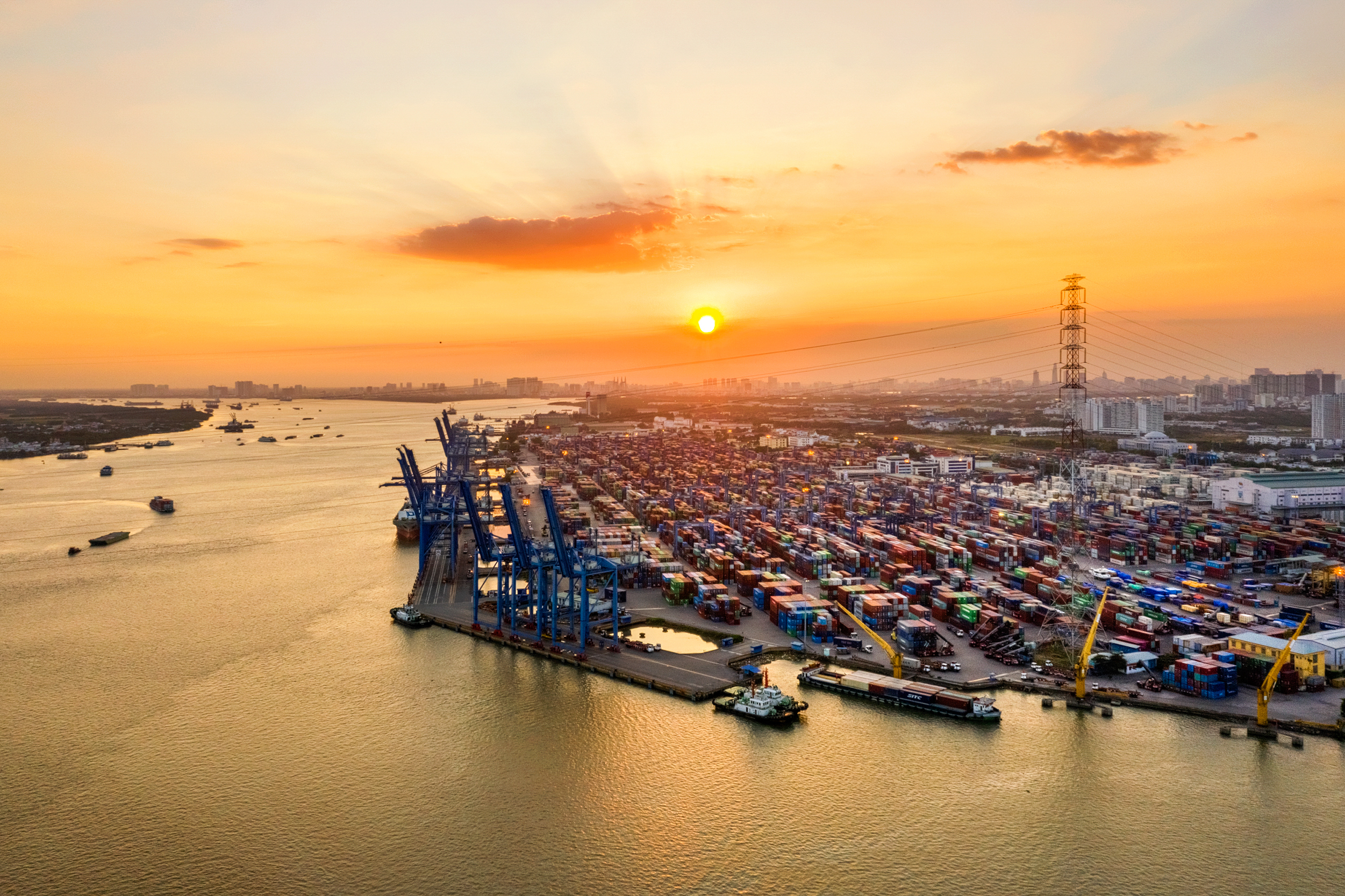
To sustain economic growth while meeting climate commitments, Vietnam must transform its industrial sector, the engine of its economic success, into a driver of sustainable development. The technologies, investments, and business decisions made today will determine whether Vietnam can continue to grow while reducing emissions and strengthening energy security.
UNIDO ACCOMPANIES VIETNAM'S GREEN INDUSTRY REVOLUTION
As the UN’s specialized agency for inclusive and sustainable industrial development, the United Nations Industrial Development Organization (UNIDO) brings global expertise in industrial transformation, technical cooperation, and policy support to help countries navigate the transition to a low-carbon and climate-resilient economy.
Working closely with governments, industries, financial institutions, and international partners, UNIDO supports Vietnam through its Country Programme in scaling up energy efficiency, advancing industrial decarbonization, promoting circular economy solutions, facilitating access to innovative technologies, and strengthening the competitiveness of industries in an increasingly dynamic global marketplace.
A key entry point for this transformation is industrial energy efficiency. Energy efficiency remains the fastest, most cost-effective, and scalable solution for reducing industrial emissions.
Drawing on its global expertise, UNIDO supports both large industries and small and medium-sized enterprises in implementing energy management systems aligned with ISO 50001 standards, optimizing energy use, and improving operational performance.
Its approach targets high-impact systems such as steam, compressed air, cooling and refrigeration, pumping, motor-driven systems, and process heating, delivering tangible benefits in the form of lower operating costs, higher productivity, and enhanced competitiveness.
Beyond individual enterprises, UNIDO also advances integrated, system-level solutions such as Energy Districts, which optimize energy production, distribution, and consumption across industrial parks, cities, and mixed-use developments.
By enabling energy recovery and sharing, balancing supply and demand, and integrating renewable energy, these approaches unlock deeper efficiency gains, reduce emissions, strengthen energy security, and support more competitive and resilient industrial development.
However, energy efficiency alone is not sufficient. Achieving net-zero emissions will require deeper industrial decarbonization, particularly in hard-to-abate sectors such as steel, cement, chemicals, and construction materials, where process emissions cannot be eliminated through efficiency gains alone. These industries remain essential to economic growth but are still heavily dependent on fossil fuels and carbon-intensive processes, requiring transformative technologies, sustained innovation, and long-term investment.
UNIDO brings technical expertise and convening power to support this transition, helping industries identify and deploy solutions such as waste heat recovery, low-carbon materials like LC3, renewable energy integration, digitalization, and the assessment of Carbon Capture, Utilization and Storage (CCUS) potential. At the same time, UNIDO works to address one of the most critical barriers—limited access to affordable, long-term finance—by promoting blended finance approaches that de-risk early investments and mobilize private capital, enabling a scalable pipeline of bankable decarbonization projects.
Equally important is the transition toward a circular economy. Industrial competitiveness increasingly depends on how efficiently resources are used. Through Eco-Industrial Park initiative, UNIDO supports industries in reducing waste and pollution, improving resource productivity, reusing industrial by-products, promoting industrial symbiosis, strengthening resilience against resource and supply-chain disruptions, and supporting access to green finance. By transforming waste into value and maximizing resource efficiency, circular economy approaches turn environmental challenges into economic opportunities.
No country can undertake this transformation alone. International cooperation is therefore essential. Drawing on its global mandate and technical expertise, UNIDO connects Vietnam to key international initiatives such as the Industrial Deep Decarbonization Initiative (IDDI) and the Global Programme on Green Hydrogen in Industry.
Through these platforms, Vietnam can access technology transfer, capacity-building, international expertise, and climate finance and investment opportunities—critical enablers for accelerating its transition to a low-carbon industrial future.
Vietnam now stands at an industrial turning point. The choices made today will shape the country's economic competitiveness, energy security, and environmental sustainability for decades to come.
By combining energy efficiency, industrial decarbonization, circular economy solutions, innovation, and international cooperation, Vietnam has an opportunity to transform its most carbon-intensive sectors into engines of sustainable growth.
The next industrial revolution in Vietnam must be green, circular, and inclusive. Through its Country Programme and global partnerships, UNIDO is committed to helping make that vision a reality—supporting a shift toward low-carbon growth and ensuring that Vietnam's development journey remains both prosperous and sustainable.
(*) Le Thi Thanh Thao, United Nations Industrial Development Organization (UNIDO) and UNIDO Vietnam Program Coordinators: Nguyen Tram Anh, Nguyen Thai Binh, Hoang Kim Cuc, Nguyen Thi Ngoc Lan, Nguyen Thi Xuan Thuy, and Rasha Abdrabu.
 Google translate