


The European market is a strategic export destination for Vietnamese goods, however, businesses must proactively respond to technical barriers when exporting to the EU.
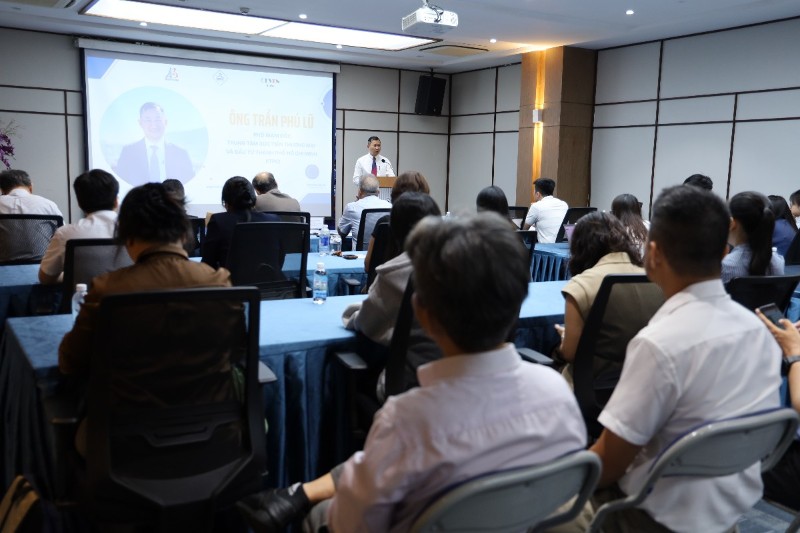
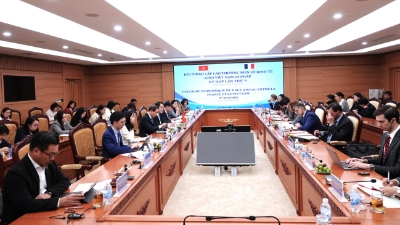
Deputy Director of the Investment and Trade Promotion Centre of Ho Chi Minh City (ITPC), Mr. Tran Phu Lu, told a business meeting themed “Effectively Accessing the French and EU Markets" jointly organized on August 18 by ITPC in collaboration with the Vietnamese Business Association in France (ABVietFrance), the French Chamber of Commerce and Industry in Vietnam (CCIFV), and CEVEN LAW Firm.
The event aimed to help businesses enhance their ability to access and effectively exploit the French and European Union (EU) markets, while updating them on standards and legal regulations and helping them build strategic partner networks.
Technically, Mr. Lu said, regulations are becoming increasingly strict: France applies a “Zero Tolerance” policy for pesticide residues; the EU has issued the Packaging and Packaging Waste Regulation (PPWR) requiring 100% of packaging to be recyclable by 2030; and the EU Deforestation Regulation (EUDR) will officially apply from the end of 2026 for coffee, rubber, and wood, requiring businesses to make their entire supply chains transparent.
Regarding costs, the continuous and sharp increase in sea freight rates to Europe has also directly impacted the competitiveness of Vietnamese products.
Facing this reality, Mr. Lu recommended that businesses proactively obtain food safety certifications such as HACCP and ISO 22000, control chemical residues, and invest in deep processing and eco-friendly packaging. To cope with cost pressures, he suggested booking cargo space early, signing long-term transport contracts, diversifying routes, and linking cargo consolidation to optimize logistics costs.
Offering recommendations on preventing legal risks in Europe, Ms. Chu Lan Phuong, Managing Lawyer of CEVEN LAW, affirmed that although the EVFTA creates favorable conditions with 99% of tariff lines reaching 0% within the first 1–5 years, exporters still face major challenges from technical regulations and trade disputes if they lack synchronized preparation.
According to Ms. Phuong, records show that some domestic enterprises have granted exclusive distribution rights for the entire EU territory to new partners without fully assessing their actual capacity.
To limit risks, she recommended that businesses link exclusivity rights to specific Key Performance Indicators (KPIs) and Minimum Order Quantities (MOQs), while applying a three-step process: (1) Due diligence of the legal entity, owners, financial capacity, network, customers, and the compliance level of the partner; (2) Signing a binding contract regarding territory, term, MOQ, KPI, marketing activities, data, complaints, and termination conditions; (3) Establishing a periodic control mechanism, monitoring reports, checking KPIs, and retaining the right to terminate the contract if the partner fails to meet commitments.
Furthermore, commercial contracts for the 2026-2027 period need to change in nature; they should not just be revenue-sharing documents but tools for allocating legal responsibility. Current partners need to be bound by additional responsibilities regarding data, Artificial Intelligence (AI), compliance audit rights, and indemnity insurance.
Most businesses at the event agreed that to penetrate the market effectively, it is necessary to arrange legal representation in the EU, standardize products from the packaging design stage to meet CE standards, select appropriate distribution channels, and combine parallel protection for both trademarks and industrial designs.
Sharing a practical model from a business perspective, Mr. Le Hoang An, Founder of Anvan Dried Food Co., Ltd., remarked that Vietnamese agricultural products need to transition from exporting raw materials to deep processing to increase economic value.

 Google translate