


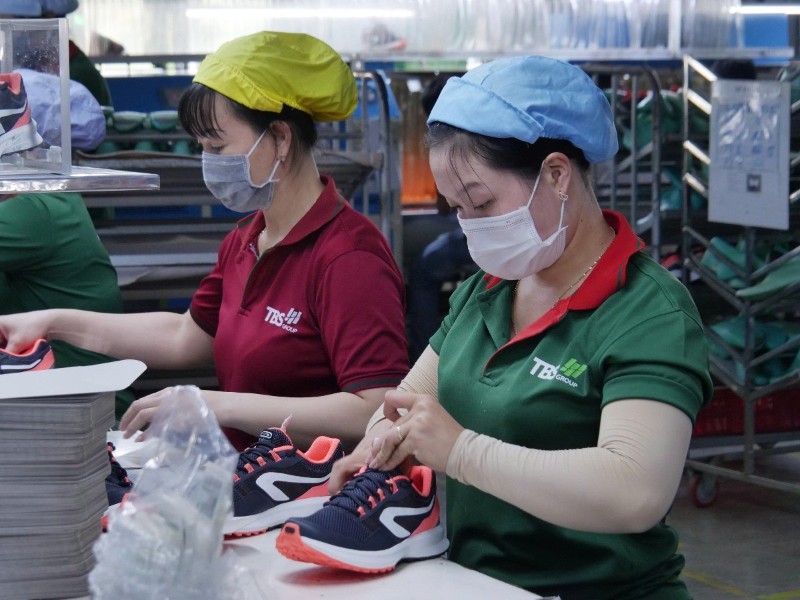
The United States is currently one of Vietnam’s key export markets and a highly potential partner in investment, technology, innovation, and supply chain connectivity. With its massive scale, high purchasing power, and diverse distribution systems, this market continues to offer significant growth potential for Vietnamese enterprises.
This statement was emphasized by Le Hoang Tai, Deputy Director General of the Vietnam Trade Promotion Agency (under the Ministry of Industry and Trade), at a seminar titled "Developing Import-Export Business with the US Market" on August 18.
According to Trade Counselor and Head of the Vietnam Trade Office in the United States, Mr. Do Ngoc Hung, in the first six months of 2026, two-way trade turnover between Vietnam and the United States reached approximately $132.4 billion. This result establishes Vietnam as the 5th largest trading partner of the US and places the country among the top exporters to this market.
Notably, Vietnam's bilateral trade surplus with the US currently ranks first in the world, surpassing both Taiwan (China) and Mexico. However, the growth picture also reflects a disparity. While Vietnam's exports to the US saw an impressive growth rate of over 40%, the flow of goods in the opposite direction remains relatively modest.
Providing a deeper analysis of market characteristics, Mr. Hung noted that the US possesses enormous purchasing power (approximately $22.1 trillion, equivalent to nearly 68% of global GDP), creating a powerful draw for wholesalers and retailers. Nonetheless, the market lacks uniformity, as consumer demand, distribution systems, and legal regulations differ significantly between states and regions. Therefore, exporting businesses must clearly identify target segments, distribution channels, and geographical areas, while carefully calculating the total landed cost of products when they reach the consumer.
In addition, consumer trends in the US are undergoing a clear shift. Regarding food and consumer goods, customers are prioritizing products that are convenient, highly processed, transparent in origin, health-conscious, and compliant with sustainability standards.
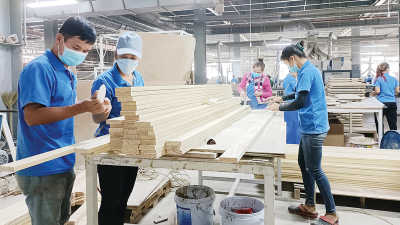
For the textile, footwear, furniture, and industrial sectors, buyers are placing the highest priority on raw material traceability, consistent quality, and risk control mechanisms within the supply chain.
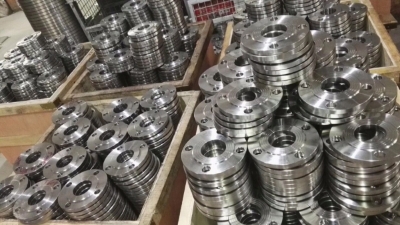
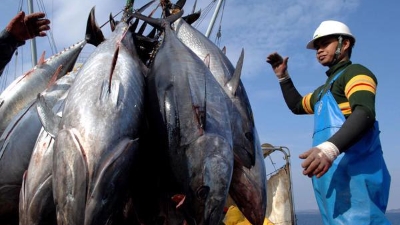
Currently, Vietnam holds a significant competitive advantage in several key product groups, including electronics, machinery, textiles, footwear, furniture, seafood, and agricultural products.
While the global trend toward supply chain diversification is creating vast opportunities, Mr. Hung warned that orders will not automatically shift to Vietnam. Domestic enterprises must demonstrate genuine production capacity, increase their local value-added content, and be ready to provide transparent data for audits and inspections.
Recognizing that great potential comes with fierce competition and a complex legal system, Mr. Tai noted that the US imposes very strict requirements regarding product safety, traceability, labeling, environmental protection, labor practices, and social responsibility within the supply chain.
According to the representative from the Vietnam Trade Office, current US trade policies are closely tied to national security objectives, economic security, the protection of domestic production, and supply chain safety.
In light of this reality, Mr. Hung advised businesses not to panic, but stressed that they must absolutely not be complacent. Enterprises need to prepare proactively rather than waiting passively until their goods are detained or investigated. A lack of verifiable documentation could lead to a business being deemed "uncooperative," resulting in very high punitive tariffs.
To mitigate risks, exporting firms must immediately implement core solutions such as supply chain management: mapping the supply chain, maintaining detailed records of raw materials and suppliers, and archiving all invoices, customs declarations, labor records, batch-specific production data, and specialized certifications.

 Google translate