


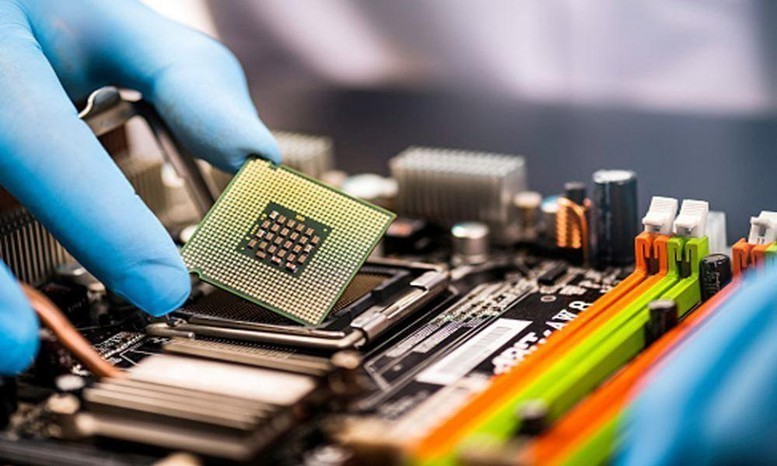
Alongside traditional sectors such as metallurgy, materials, railways, and automobiles, the Ministry of Industry and Trade (MoIT) has proposed adding semiconductors, high-tech electronics, offshore wind power, and strategic minerals including rare earths to the national list of "key industries."
This proposal is a central component of the draft Law on Key Industries, the dossier for which was published by the Ministry of Justice on July 21.
In this latest draft, the MoIT categorizes the following sectors as key industries:
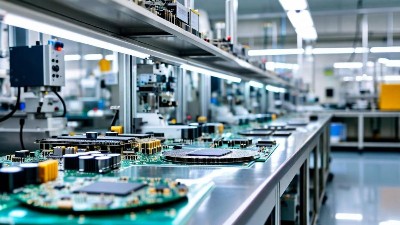
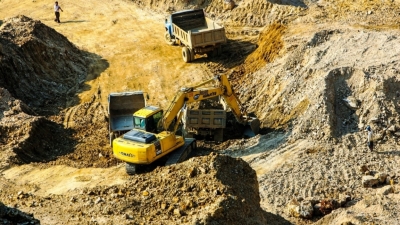
Energy and energy equipment; Offshore wind power; Strategic minerals and rare earths; Metallurgy and materials science; Basic and high-tech chemicals; Mechanical engineering, manufacturing, shipbuilding, and marine engineering; Railways and the automotive industry; Semiconductors and high-tech electronics; Supporting industries; Environmental, recycling, and low-emission technology industries; and other key industries as determined by the Government.
The MoIT emphasized that these sectors represent pivotal manufacturing and production fields essential for the nation’s industrialization and modernization. By prioritizing these industries, Vietnam aims to enhance its industrial self-reliance and sovereignty while strengthening its position in both domestic and global value chains. Furthermore, these industries are deemed vital for ensuring national defense, economic and energy security, environmental protection, and sustainable development.
According to the MoIT, Vietnam is set to invest heavily in critical infrastructure in the coming years. This includes transport projects (high-speed rail, urban transit, and national railway networks), energy projects (offshore wind, small modular nuclear reactors, gas-to-power, and green hydrogen/ammonia production), and digital infrastructure.
The ministry noted that these projects play an exceptionally important role in national security and safety. Therefore, developing domestic production to master core technologies and manufacture essential equipment is a "key requirement" to ensure the security of national infrastructure.
Additionally, the development of these core industries is viewed as an urgent solution to meet localization and "rules of origin" requirements. This will help Vietnam mitigate risks in international trade, maintain and expand export markets, and prevent negative impacts on economic growth.
Finally, the MoIT highlighted that the global energy transition, digital transformation, and the rise of high-tech industries are intensifying global competition for strategic minerals, rare earths, and critical raw materials. Elevating these sectors to "key industry" status will allow Vietnam to better navigate this competitive global landscape.





 Google translate