


Businesses that possess practical challenges and ready data but lack the resources to implement Artificial Intelligence (AI) could receive state co-funding of up to VND3 billion (nearly $115,000) per project under a newly proposed pilot mechanism.
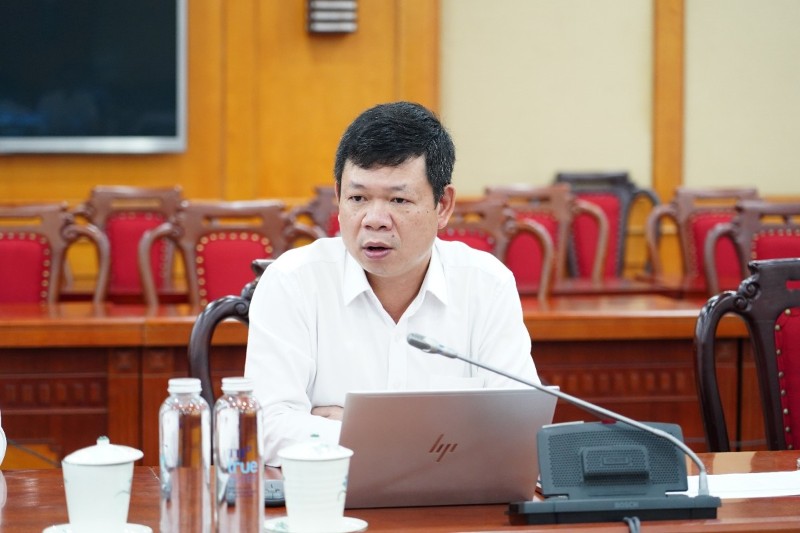
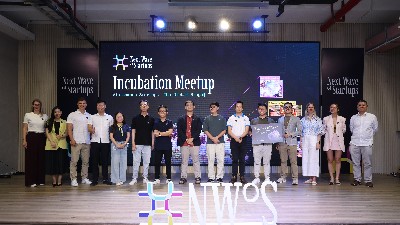
The information was shared during a recent meeting to discuss the draft pilot plan for funding AI technology innovation tasks, organized by the National Technology Innovation Fund (NATIF) in collaboration with the Department of Technology Innovation and the Department of Digital Technology and AI, under the Ministry of Science and Technology (MST).
A key highlight of this pilot program is the shift from a traditional mechanism of supporting research to partnering with businesses to solve practical problems. Under this model, the State shares a portion of the risks, while the actual effectiveness of the AI application serves as the primary criterion for evaluation.
Introducing the draft, NATIF Director Bui Quang Minh noted that many enterprises have already identified their AI needs and collected sufficient data but still struggle with a shortage of experts, financial constraints, and implementation frameworks. Consequently, the program is designed so that the State does not directly develop AI technology, but instead supports businesses through co-funding, connecting them with experts, and facilitating project deployment.
According to the draft proposal, the program aims to select 8 to 10 AI innovation tasks in 2026, with an implementation period not exceeding 12 months. Each task will be eligible for support covering up to 50% of the total budget, capped at VND3 billion, focusing on activities such as hiring experts, technology services, testing, technology transfer, and perfecting AI solutions. Participating businesses are required to provide at least 50% of the matching funds in cash.
If the pilot phase achieves successful results, the program is expected to expand to approximately 50 tasks per year starting in 2027. This expansion aims to train 250 AI experts and engineers, enhance the capabilities of 100 corporate engineers, support 100 interns, and result in the implementation of roughly 50 practical "Make in Vietnam" AI solutions.
The current timeline outlines that the first call for proposals will be announced in late July 2026, with applications received in August. Evaluations and approvals are scheduled for September to ensure projects can begin within the same year.
Nguyen Khac Lich, Director of the Department of Digital Technology and AI, emphasized that selected tasks must stem from real business needs, possess "ready-to-use" data, and result in a Minimum Viable Product (MVP) within the pilot period. Furthermore, these projects must demonstrate clear improvements in productivity, quality, cost-efficiency, or revenue, alongside the potential for scalability.
The program will also prioritize complex challenges that existing AI solutions cannot yet fully address, while requiring businesses to demonstrate financial capacity and a commitment to the 50% matching fund requirement.






 Google translate