


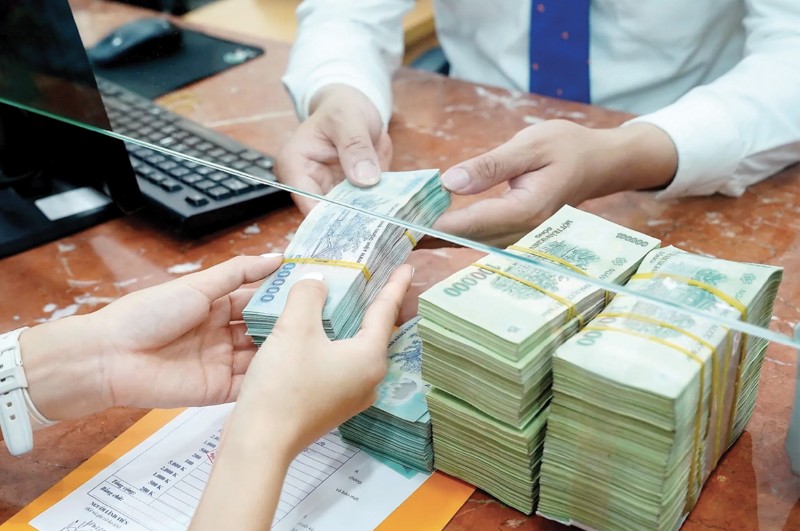
Vietnam's outstanding credit surpassed VND20.15 quadrillion (approximately $770 billion) as of July 29, up 8.38% from the end of 2025, with lending continuing to be directed primarily toward production, business activities and priority sectors, Deputy Governor of the State Bank of Vietnam (SBV) Pham Thanh Ha announced at the government's regular July press conference on August 3.
According to the deputy governor, the SBV has instructed commercial banks to expand lending to priority sectors and projects with strong spillover effects, including financing for 18 major infrastructure projects aimed at strengthening regional connectivity and supporting local economic development.
Commenting on the macroeconomic outlook, Mr. Ha said core inflation remained under control, with average consumer prices rising 4.39% in the first seven months of 2026. However, achieving the country's ambitious full-year growth target will require monetary policy to remain both proactive and flexible.
According to him, the SBV will continue to implement a flexible monetary policy, using a range of instruments to ensure adequate credit supply for the economy while maintaining macroeconomic stability and safeguarding the banking system.
To support market liquidity, the central bank has continued to conduct open market operations and provide funding through flexible lending facilities tailored to market conditions. As a result, the interbank market has remained stable and has adequately met short-term funding needs of credit institutions.
The SBV also maintained its policy interest rates at stable levels, helping banks access funding at reasonable costs and supporting credit growth.







 Google translate