


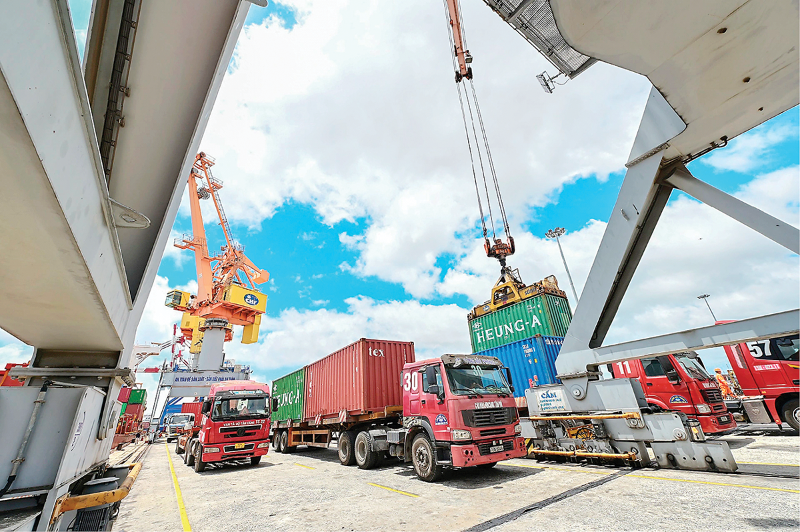
The Ho Chi Minh City People’s Committee has issued an Action Plan to implement the city’s import-export strategy for the 2026-2030 period, aimed at maximizing trade advantages and driving sustainable socio-economic development.
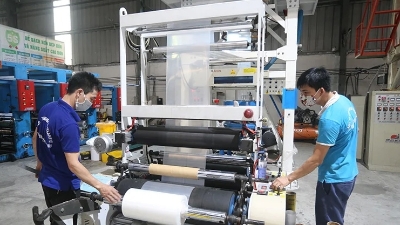
Under this strategy, the city will focus on restructuring its export basket by increasing the proportion of high-tech products, supporting industry goods, and high-value-added items that meet international green standards.
In addition to consolidating traditional markets, the city plans to aggressively expand into high-potential niche markets, particularly those with a strong demand for eco-friendly and sustainable products. Trade promotion activities will be intensified and specialized by market group and industry, while efforts will be made to enhance the connectivity between local businesses and global distribution systems and supply chains.
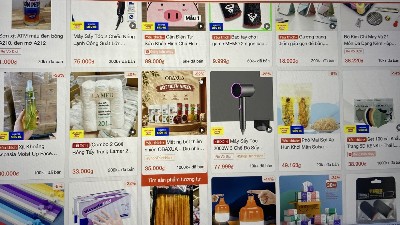
Digital transformation has been identified as a primary driver of the city's trade strategy through 2030. Cross-border e-commerce is expected to become a vital channel, enabling businesses—especially small and medium-sized enterprises—to reach global consumers directly.
Furthermore, the city will promote the integration of advanced technologies such as Artificial Intelligence (AI), Big Data, and digital platforms into manufacturing, business operations, and supply chain management.
A central theme of the 2026-2030 strategy is the "greening" of export production. HCM City aims to encourage businesses to transition toward energy-saving models and renewable energy sources, setting a target that at least 30% of the energy consumed by local export manufacturing plants will come from renewable sources by 2030.
The city will also provide support for enterprises to comply with international sustainability standards and mechanisms, including product traceability, ESG (Environmental, Social, and Governance) standards, the European Union’s Carbon Border Adjustment Mechanism (CBAM), and Halal certifications for specific markets.
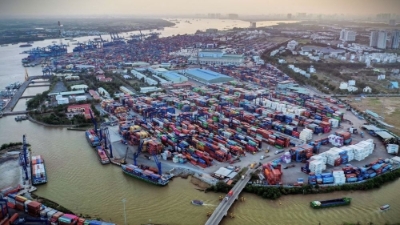
Finally, the development of modern and green logistics infrastructure is highlighted as a key solution to reduce costs and enhance the competitiveness of export goods. The city will prioritize the synchronization of transport infrastructure, seaports, warehousing, and logistics centers to better serve import and export activities.


 Google translate