


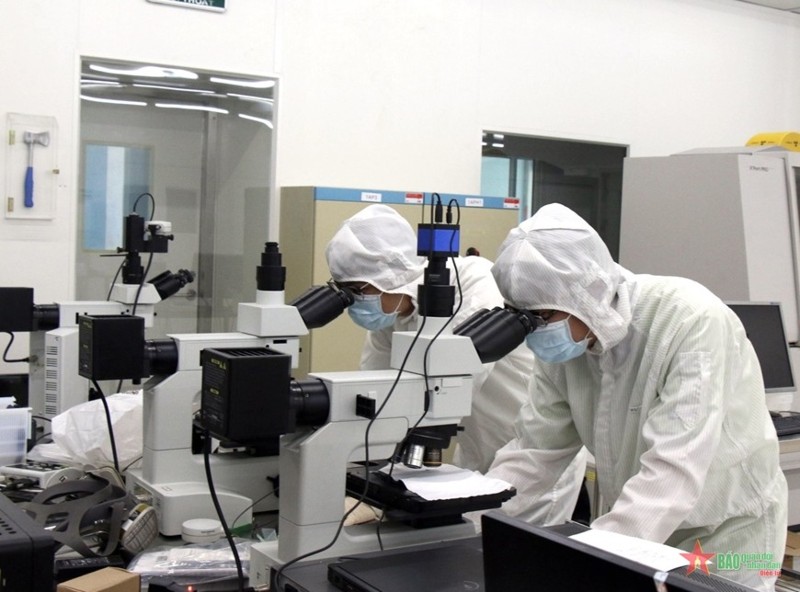
The Digital Transformation Law 2025 and the High-Tech Law 2025 officially entered into force on July 1, introducing new mechanisms to bolster high-tech sectors, strategic technologies, and national technological autonomy.
A central pillar of the Digital Transformation Law 2025 is the mandate for digital systems to be unified, synchronized, and interoperable, with a strong focus on seamless connectivity and data sharing.
The development of all digital platforms, databases, and services must strictly align with the National Digital Architecture Framework, the National Data Architecture Framework, and the National Data Management and Governance Framework.
To ensure security and market integrity, the law explicitly prohibits five categories of activities, including unauthorized interference with digital systems, illegal data exploitation, and the use of technology for fraud, profiteering, or anti-competitive practices.
Financially, the State has committed to a stable funding model, guaranteeing a minimum of 1% of the annual state budget for digital transformation. This is part of a broader commitment to allocate at least 3% of the state budget to the combined fields of science, technology, innovation, and digital transformation, providing a solid foundation for the synchronized implementation of digital tasks in the coming years.
Simultaneously, the High-Tech Law 2025 introduces mechanisms to empower the domestic ecosystem by encouraging small and medium-sized enterprises (SMEs) and startups to invest in the research and commercialization of high technology. Universities and research institutes are also incentivized to establish their own high-tech businesses to bridge the gap between academic research and market application.
Regarding foreign investment, the law prioritizes FDI projects that provide core technology transfers and establish deep linkages with local firms, aiming to upgrade national capacity rather than relying on low-cost labor or outdated technologies.
In terms of fiscal policy, the law creates a two-tier incentive structure for high-tech enterprises. Group 1 enterprises will be eligible for the highest level of support, which includes a four-year corporate income tax exemption, a 50% reduction for the following nine years, and a preferential 10% tax rate for 15 years. To qualify, these companies must demonstrate substantive commitment to research and development (R&D) within Vietnam, with annual R&D expenditures reaching at least 1% of net revenue.
Furthermore, the law significantly reduces administrative hurdles by abolishing the "High-Tech Enterprise Certificate" and replacing it with a self-assessment mechanism based on specific criteria. Finally, it introduces the "high-tech urban" model, creating concentrated spaces dedicated to the research, testing, and application of advanced technologies integrated within sustainable urban developments.










 Google translate